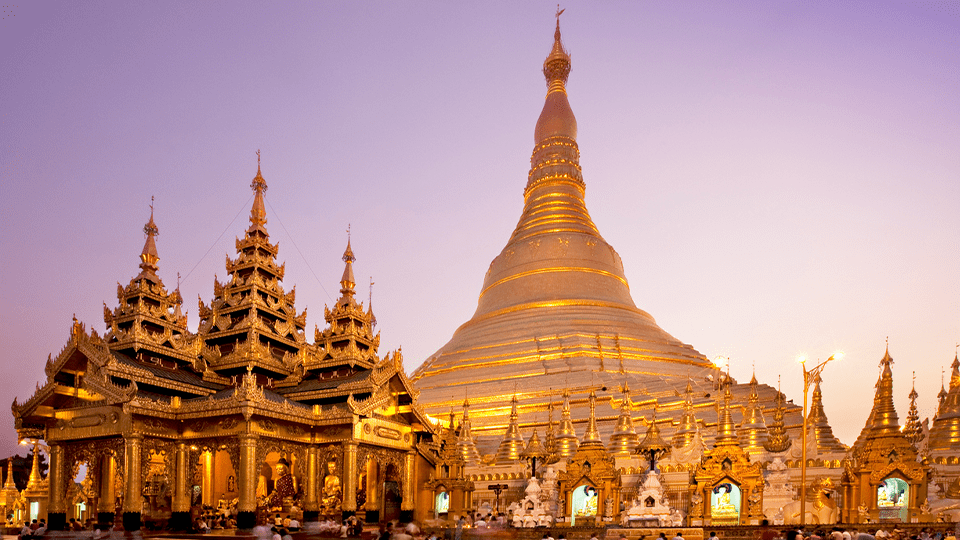
In 2009, I traveled to Burma (also known as Myanmar) to meet with several non-governmental organizations that were actively involved in a pro-democracy movement working to reform horrifying economic and political conditions. At that time, with somewhere between 47-58 million people, Burma was one of the most repressive regimes on the planet (Currie, 2012, p. 17; Tavaana, 2014). The Burmese junta largely insulated the country from Western influence, particularly Western-style education and principles of democracy (Christian Science Monitor, 2012). One journalist described the relationship between citizens and the government as an “Orwellian nightmare” of official corruption and imprisoned dissidents (McClelland, 2010, p. 39). In ordinary life, the Burmese people were constrained by Internet blocks, email monitoring, 24-hour surveillance on suspected activists, no international cell phone coverage, no foreign currency, no ATM machines, government-controlled and/or owned banks and media outlets, suppression of foreign journalists, and a per capita income of $431 USD. For comparison, Haiti’s per capita income was $1,300, which meant that only African countries and Afghanistan were worse than Burma (U.S. Department of State, 2009; U.S. Department of State, 2010). Today, despite recent reforms, “Burma remains a highly contested political environment” (Currie, 2012, p. 2).
Debate and Critical Thinking as Civic Education: The Case of Myanmar