
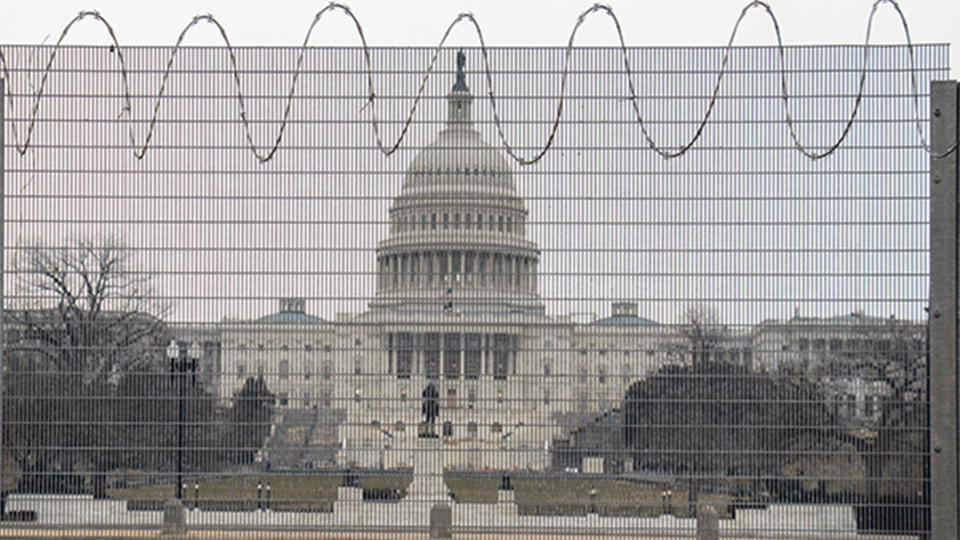
The Temple of Liberty as Fort Knox: The Securitization of Democratic Space in the U.S. Capitol
Abstract
In response to security threats in the late 1990s and early 2000s, the U.S. Capitol was made less accessible to the public through a series of security upgrades, including an expansion of the Capitol Police force, new visitor registration programs, and the construction and implementation of physical barriers in and around the Capitol building. However, increased safety for members and staff has had consequences for the Capitol building’s important symbolic representation. Previous inquiries into the design and use of capital cities have revealed that these places are symbolically important as embodiments of public values. In this article, the authors argue that by repeatedly prioritizing public displays of security over public access, Congress has inadvertently contributed to the alienation Americans feel from their government, with implications for January 6th and beyond.