
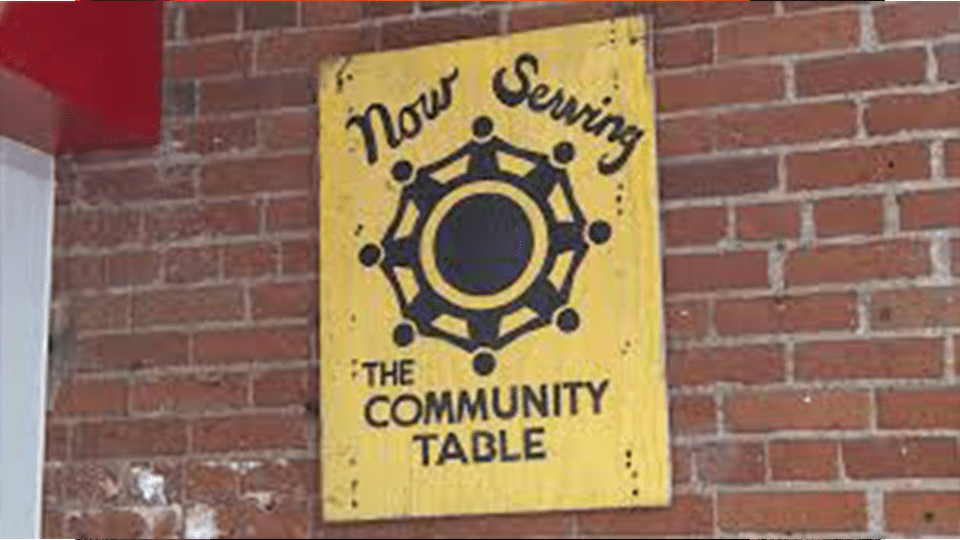
Self-Stigmatizing Beliefs Suppress Democratic Participation among Low-Income Individuals at the Community Table of Eau Claire
Abstract
Political quiescence among low-income Americans is well documented, but its causes are not well understood. This study explored the hypothesis that a self- stigmatized identity in low-income individuals is associated with a reluctance to participate in democratic activity. The authors engaged in participant observation at nine mealtimes to analyze the discourse of guests of a local community “soup kitchen” and also administered a survey to investigate their perceptions of the poor, their beliefs about causes of poverty, and their knowledge of the demographics of recipients of Supplemental Nutrition Assistance Program (SNAP) benefits. The authors then offered survey respondents the opportunity to sign a petition, write a letter, or both to communicate to their congressional representatives their position on the question of whether SNAP program funding should be cut. The authors found that low-income guests with stigmatized attitudes toward the poor were significantly less likely to sign petitions or write letters. They also noted that distancing, embellishment, and embracement were prevalent among the discourse of guests—all phenomena associated with stigmatized individuals’ struggle to negotiate an identity of value. The study’s findings suggest that a self-stigmatizing sense of identity is a barrier to participation in civic activity.
|
Measure |
Percentage |
|
Married (male) |
5.0% |
|
Widowed (male) |
0.8% |
|
Divorced (male) |
30.0% |
|
Separated (male) |
6.7% |
|
Never married (male) |
57.5% |
|
Housing unit occupied without payment of rent |
8.3% |
|
Homeless |
35.8% |
|
Rooming/board house |
1.7% |
|
Transient hotel/motel |
5.0% |
|
Housing unit rented for cash |
25.0% |
|
Mobile home/trailer |
0.8% |
|
Housing unit—owned or being bought by household member |
4.2% |
|
Paying to stay with friends or family |
16.7% |
|
Walk or bike to CTEC |
50% |
|
Drive car to get to CTEC |
34.2% |
Ride the bus to get to CTEC | 18.3% |
Carpool to get to CTEC | 10% |
Percent of CTEC guests earning less than $15,000 annually | 94% |
Percent of CTEC guests earning less than $5000 annually | 56% |